News
New real-time radiation measurement website launched
Australia Just Launched a Real-Time Radiation Map — See What’s in Your Area ARPANSA has unveiled a new website that brings together historic and real-time radiation data from across the country — gamma levels, radon, radionuclides in air, water, and soil, with more on the way. For the first time, Australians can explore their local radiation environment in one place and see how exposure levels compare nationwide.
Is wireless tech safe? Here's what Australia's radiation experts say
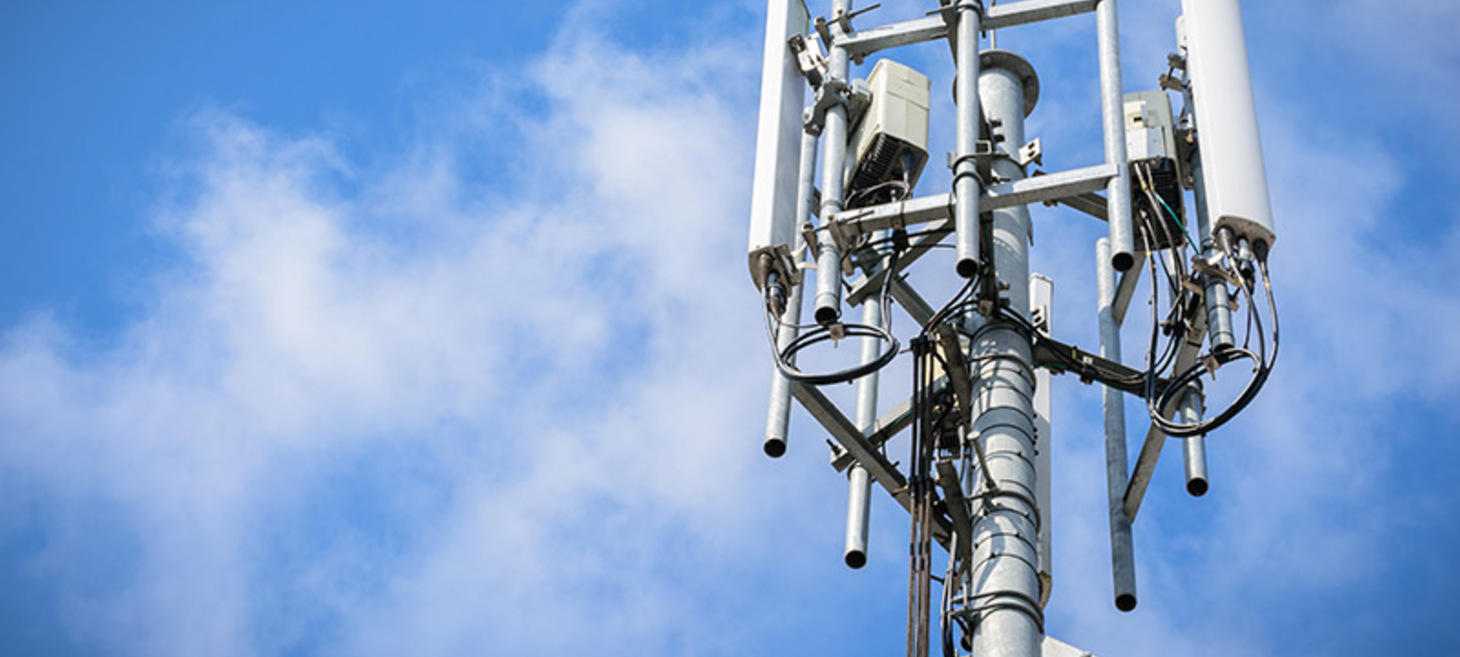
Is Wireless Tech Really Safe? Here’s What Australia’s Radiation Experts Say Mobile phones, Wi-Fi, 5G… they’re everywhere. But what does the science actually show about their health impacts? ARPANSA’s latest research dives into decades of data, nationwide measurements, and new WHO reviews — and the findings may surprise you. Read what Australia’s top radiation scientists have to say
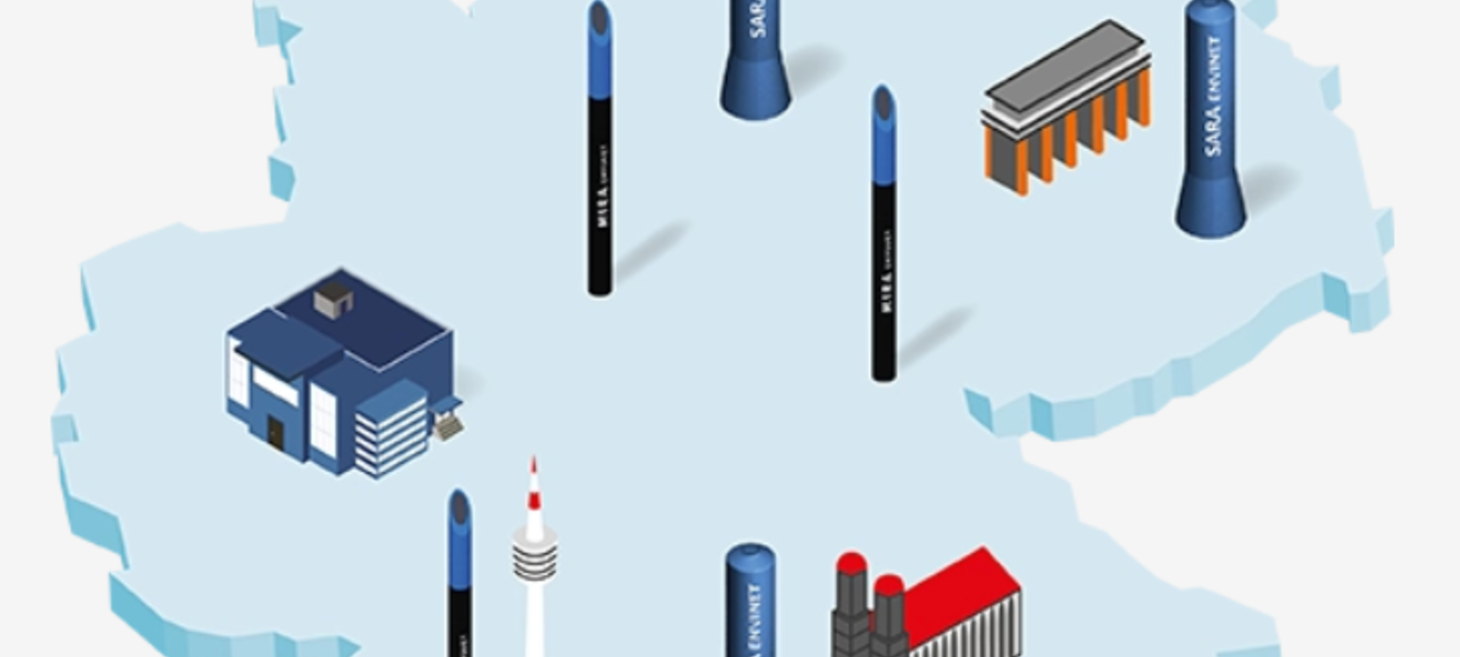
Advertisement: Nationwide Monitoring of radioactivity with early warning systems
For our early warning system for nationwide radiation monitoring, we offer a range of different detectors, data acquisition systems, autonomous monitoring stations, deployable monitoring systems, state-of-the-art data communication technology and high-performance software for the monitoring center. We offer turnkey, one-stop solutions, thereby guaranteeing optimally configured functionality.
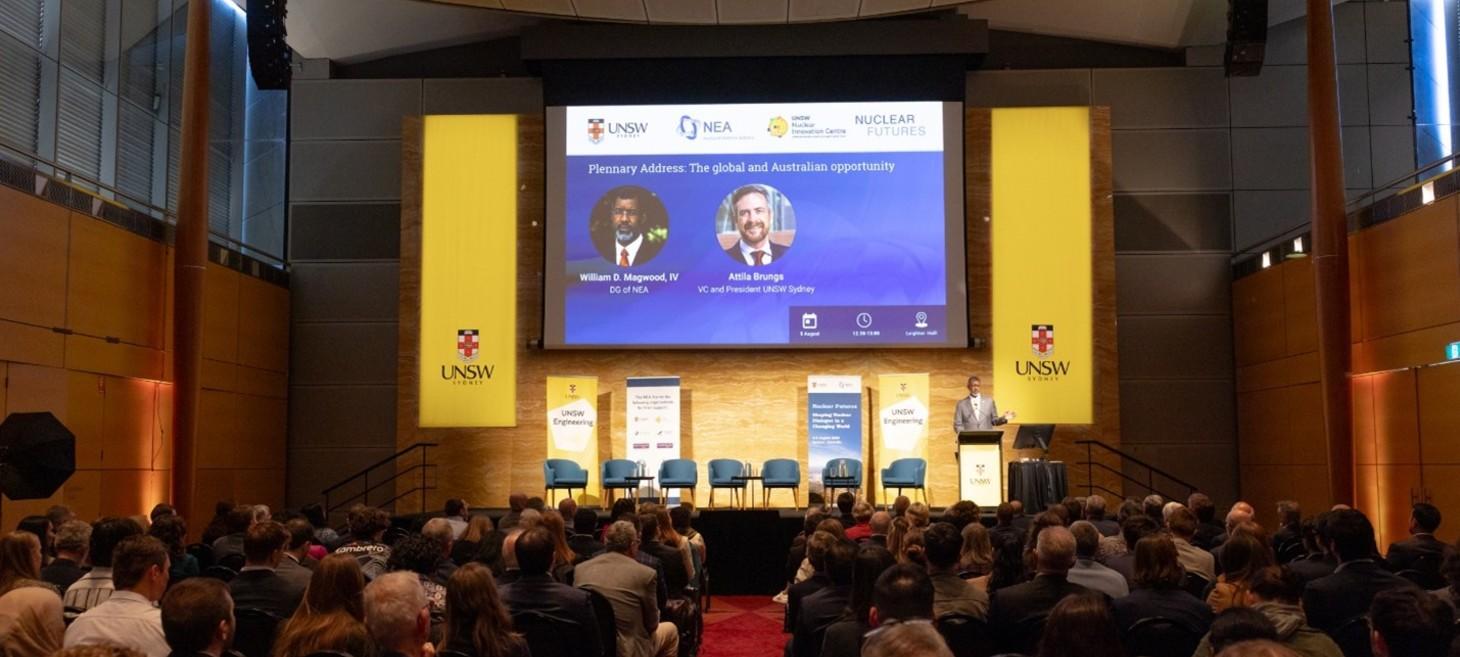
Nuclear Energy Agency (NEA) - Nuclear Futures event in Australia crosses cultures, professional experiences
Approximately 250 international experts and early career professionals joined together in Australia on 4-6 August 2025 at the inaugural NEA Nuclear Futures: Shaping Dialogue in a Changing World event.
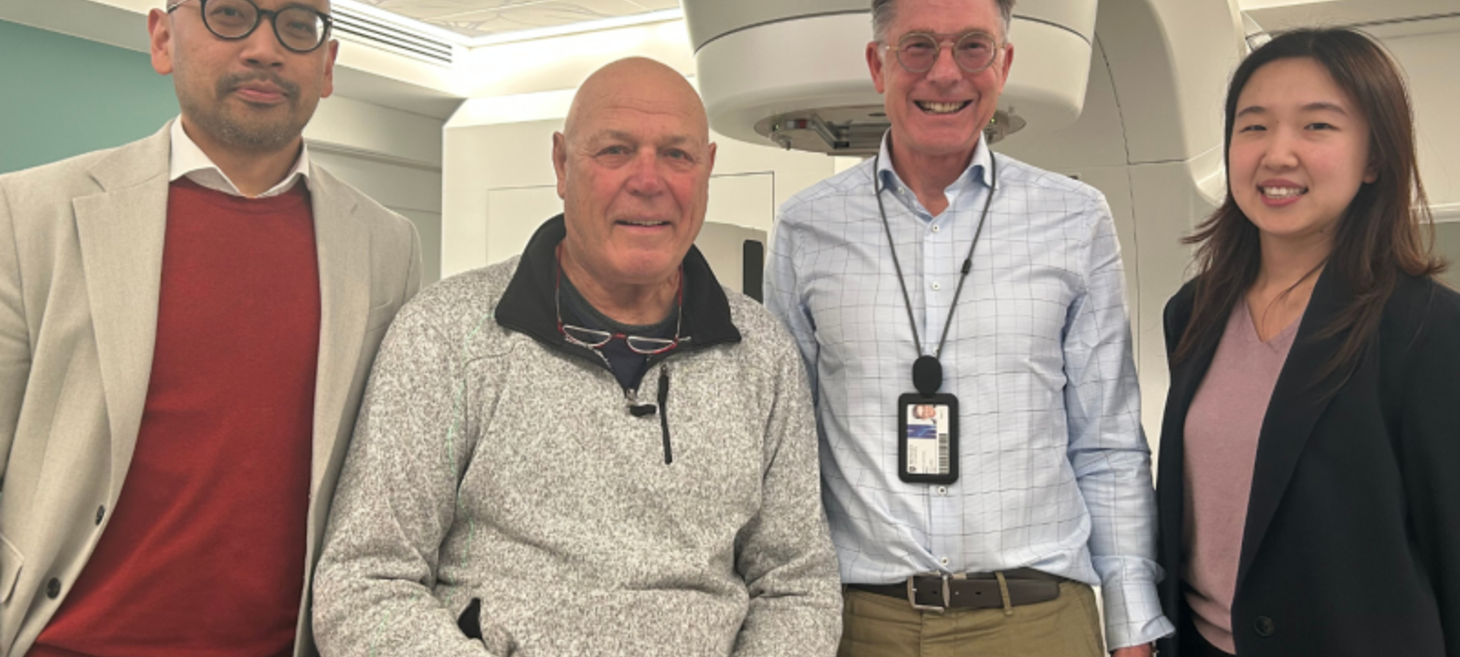
Australian-first trial aims to halve prostate cancer treatment time
Groundbreaking Aussie trial halves prostate cancer treatment time What if radiation therapy could be done in just two visits instead of up to 20? That’s the promise of a new trial at Alfred Health — researchers are using cutting-edge SABR radiation to treat intermediate-risk prostate cancer, slashing the number of sessions in half while maintaining healthy surrounding tissue. Could this redefine convenience and care for cancer patients everywhere?
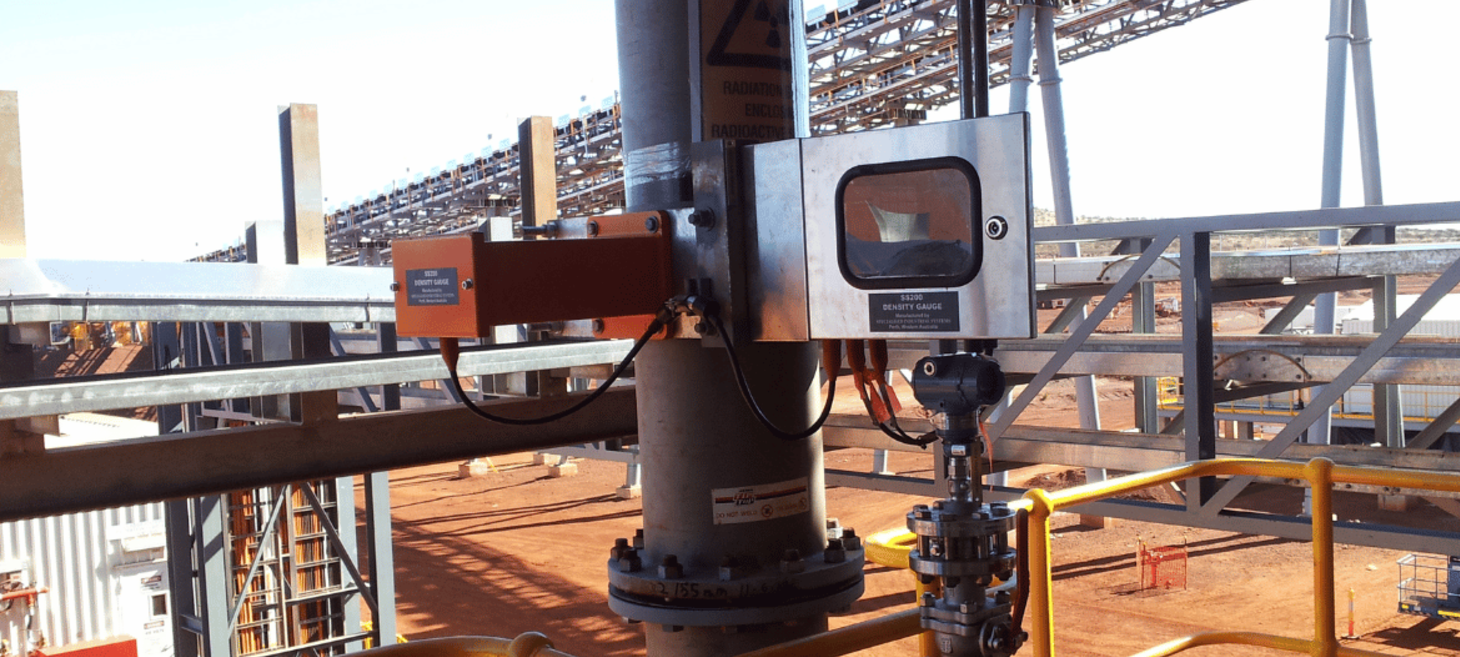
A Smarter Way to Measure Density in Australian Industry
A rugged new Australian-made density gauge is transforming how mining and processing plants track material flow - delivering real-time accuracy in places where traditional instruments fail. Built for heat, vibration and harsh sites, this technology is rapidly becoming a go-to tool for operators chasing higher efficiency and reliability.
Funding backs ANSTO‑led program to develop new treatment for deadly brain cancers
Major ANSTO Breakthrough: New Radiotherapy Approach Targets Deadly Brain Cancers ANSTO has secured a $1.62M MRFF grant to advance a next-generation treatment for aggressive brain tumours like glioblastoma and DIPG. Their innovative Neutron Capture Enhanced Particle Therapy (NCEPT) aims to hit cancer cells with unprecedented precision — potentially improving survival, reducing side effects, and keeping patients in Australia for world-class care.
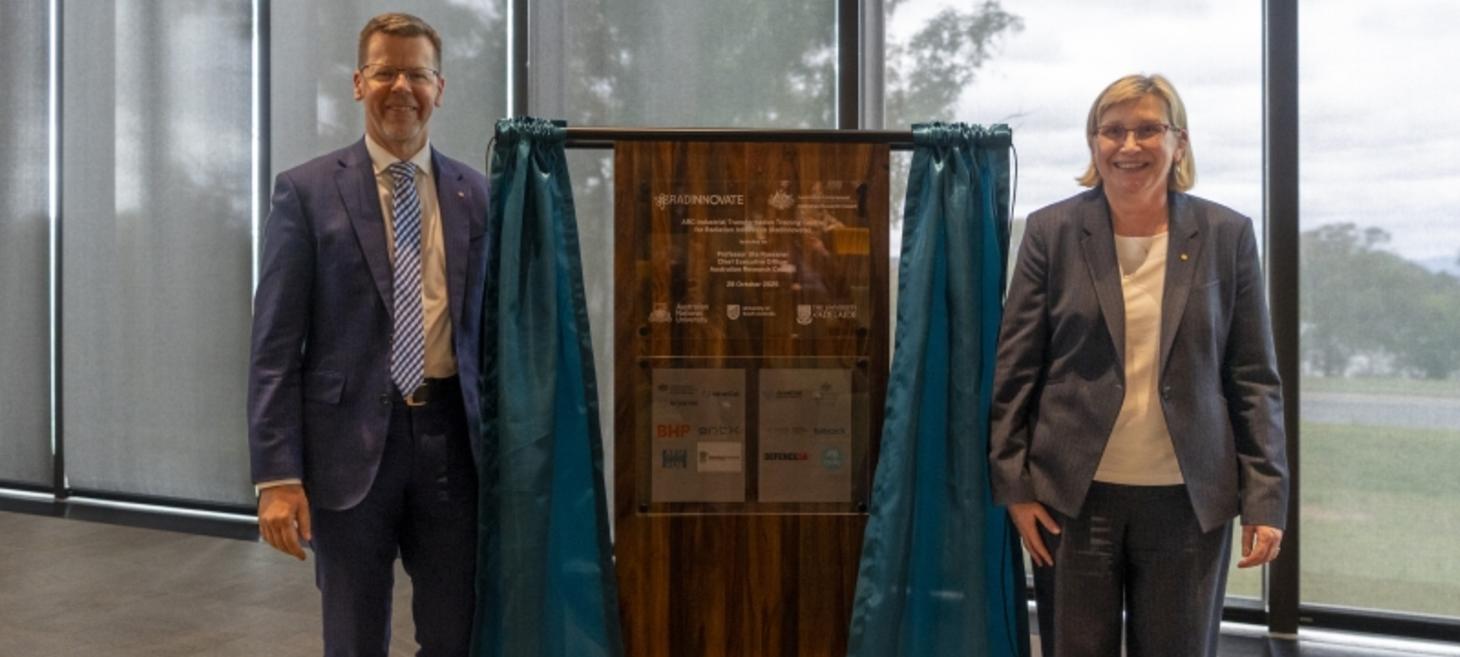
Training tomorrow’s leaders in radiation science
Australia Launches a New Training Centre to Shape the Future of Radiation Science A major national investment is now underway to train the next generation of leaders in radiation technology, with the new ARC Training Centre for Radiation Innovation bringing together top universities, industry partners and government. From medical imaging to space tech, students will gain cutting-edge skills and hands-on experience in a field critical to Australia’s future.
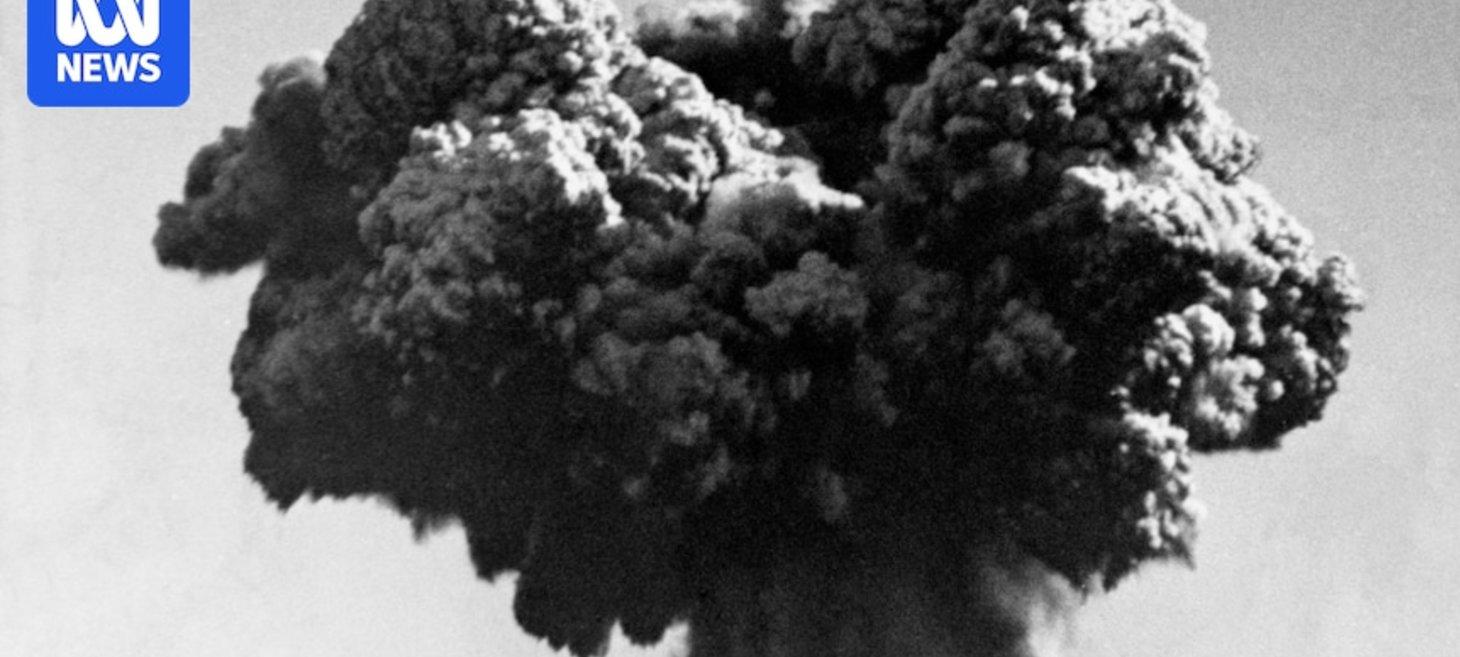
Radiation at Montebello Islands still 4,500 times higher than WA coast after nuclear blasts - ABC News
Three atomic bombs were detonated on the Montebello Islands in the 1950s. Scientists say they've now precisely measured how much radiation remains, with some locals re-evaluating fond memories.
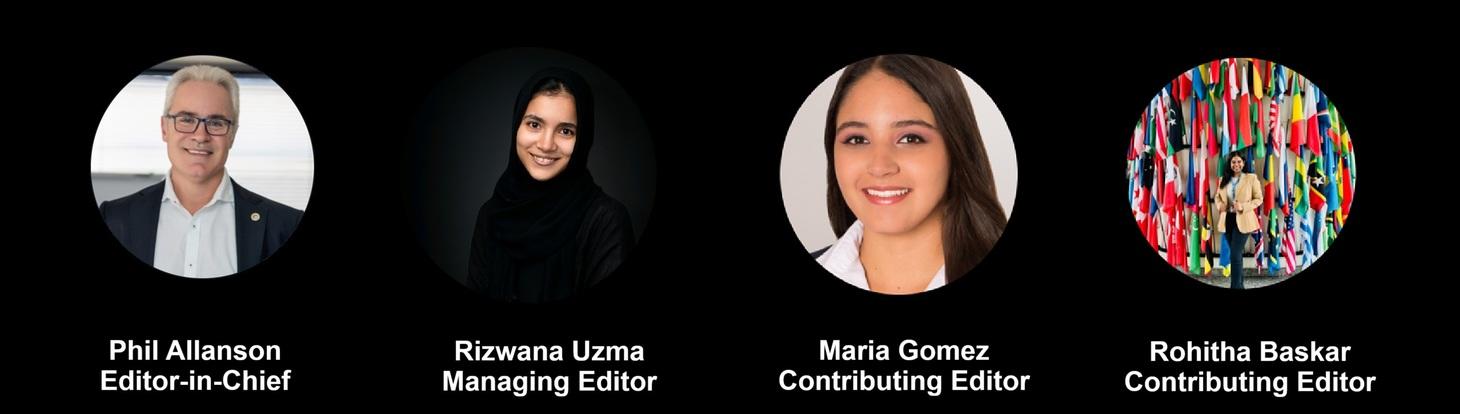
Meet the Editors
Meet the Editors
Phil Allanson, Editor in Chief
Phil leads The Source with a commitment to clarity, critical thinking, and evidence-based insight. With a background in science-informed communication and operations leadership, he focuses on cutting through noise to deliver trustworthy, meaningful updates and articles that empowers readers to make informed decisions.
Rizwana Uzma, Managing Editor
Rizwana oversees the day-to-day editorial direction of The Source, ensuring each edition is accurate, accessible, and thoughtfully curated. With a keen editorial eye and a strong respect for nuance, she works to bring diverse perspectives together while maintaining the publication’s high standards.
Maria Gomez, Contributing Editor
Maria is a Biomedical Engineer with extensive experience maintaining and repairing medical equipment across ICU and Radiology departments. Having worked with leading multinationals, she brings deep technical expertise to The Source, contributing practical insight on technology, equipment performance, and safety in clinical and laboratory environments. Based in Brisbane, Maria supports accurate, real-world informed reporting.
Rohitha Baskar, Contributing Editor
Rohitha brings a diverse background in radiation safety, environmental monitoring, and laboratory operations. With experience across Australia and internationally, she supports The Source through equipment calibration, compliance assessments, and radiological analysis. A recipient of the IAEA’s Marie Skłodowska-Curie Fellowship, Rohitha is passionate about safe practice, continuous learning, and contributing to the global radiation safety community.

Latest data shows occupational radiation exposure well below safety limits | ARPANSA
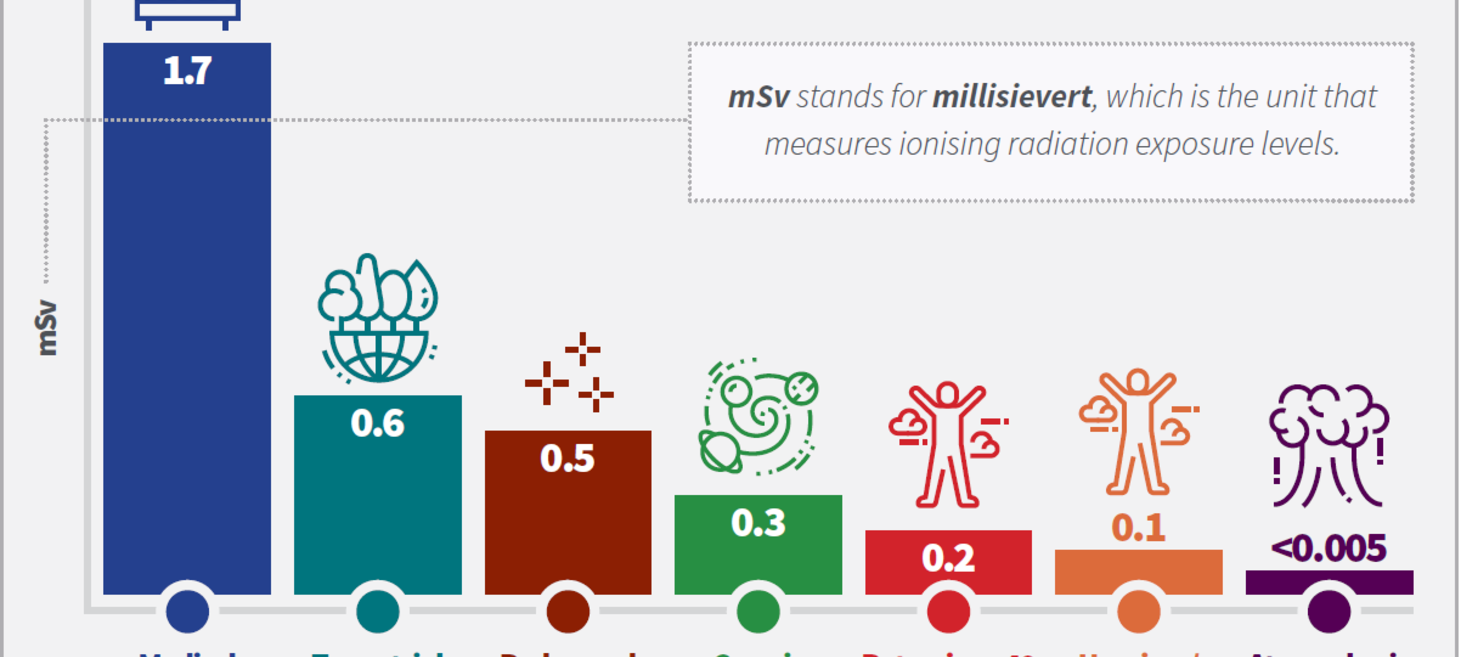
New Data Shows Worker Radiation Exposure Remains Very Low in Australia ARPANSA’s latest national dose reports reveal that occupational radiation exposure across mining, medical, research and government sectors continues to sit well below safety limits — with most workers receiving less than 1 mSv a year. The findings highlight strong oversight and well-managed radiation practices nationwide.